
IUI Treatment in Neemrana: A Simple and Personalized Fertility Treatment Option
For couples trying to conceive, understanding the reason for delayed pregnancy is an important first step. In some cases, a fertility specialist may recommend IUI Treatment as a less invasive fertility treatment before considering more advanced procedures such as IVF.
Intrauterine insemination, or IUI, involves placing specially prepared sperm directly into the uterus around the time of ovulation. This helps bring the sperm closer to the egg when fertilization is most likely to occur. Whether IUI is suitable depends on factors such as ovulation, sperm health, age, fallopian tube condition and the overall fertility history of both partners.
What Is IUI Treatment?
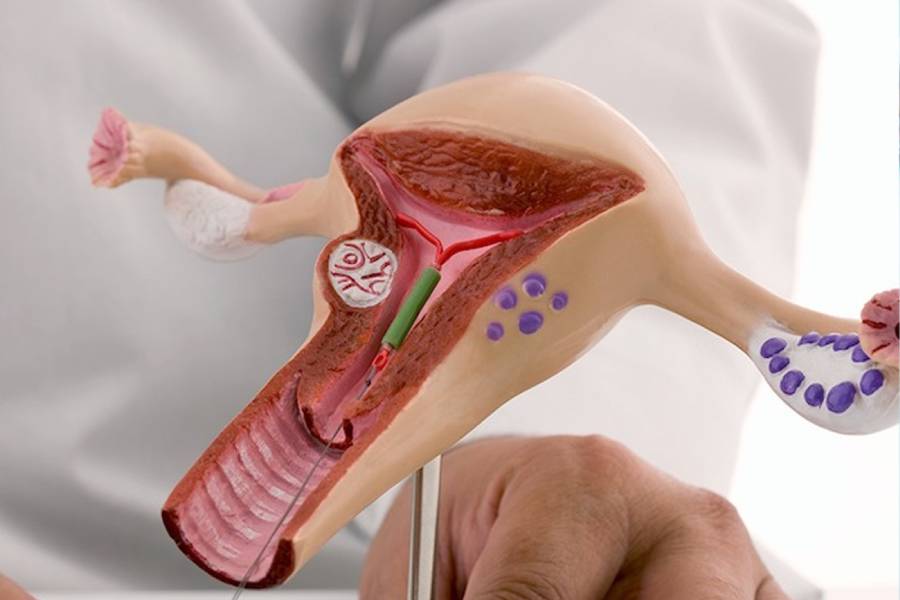
IUI is an assisted fertility treatment designed to increase the chances of sperm reaching the egg. During the procedure, a semen sample is processed in the laboratory to select healthy and motile sperm. The prepared sperm is then placed inside the uterus using a thin catheter.
IUI does not involve fertilization in a laboratory. Fertilization still needs to occur naturally inside the reproductive tract.
The treatment may be performed during a natural ovulation cycle or alongside medicines that help stimulate ovulation. Your fertility specialist decides the approach after evaluating your individual condition.
Who May Benefit From IUI?
IUI may be considered for couples experiencing certain fertility problems where a less invasive treatment may be appropriate.
A fertility specialist may recommend IUI in situations such as:
- Unexplained infertility
- Certain ovulation problems
- Mild male factor infertility
- Problems with sperm movement or count
- Difficulty with intercourse
- Use of donor sperm
- Certain cervical factors that may interfere with sperm movement
- Fertility concerns where timed intercourse has not resulted in pregnancy
IUI may not be suitable for everyone. For example, severe male infertility or significantly damaged or blocked fallopian tubes may require a different treatment approach.
A fertility evaluation helps determine whether IUI is appropriate or whether another fertility treatment may provide a better option.
How Does IUI Work?
The IUI process is relatively straightforward, but the exact protocol can differ between patients.
Fertility Evaluation
Before treatment, your doctor reviews your fertility history and may recommend tests to assess ovulation, reproductive health and sperm quality.
The specialist may also evaluate the fallopian tubes when clinically appropriate because at least one functioning fallopian tube is generally needed for IUI to have a reasonable chance of working.
Ovulation Monitoring
The timing of IUI is important. Your doctor may monitor ovulation through ultrasound and other appropriate methods.
Some patients may undergo IUI during a natural cycle, while others may receive medication to stimulate ovulation.
Sperm Preparation
On the day of insemination, a semen sample is collected and processed in the laboratory. The preparation helps separate suitable sperm from other components of the sample.
Insemination
The prepared sperm is placed into the uterus using a thin catheter. The procedure usually takes only a short time and does not require surgery.
Follow-Up
After IUI, your doctor provides instructions regarding medicines, daily activities and pregnancy testing. A pregnancy test is generally advised at the appropriate time after the procedure.
When Is IUI Recommended?
The decision to recommend IUI depends on the cause of infertility and the fertility potential of both partners.
ur doctor may consider factors such as:
- Age
- Ovulation pattern
- Ovarian reserve
- Sperm count and movement
- Fallopian tube health
- Duration of infertility
- Previous fertility treatment
- Overall reproductive health
This evaluation is important because IUI works best in selected situations. If the chances of success are expected to be low, your fertility specialist may discuss other options such as IVF.
IUI With Ovulation Medicines
Some patients undergo IUI during a natural cycle, while others may use fertility medicines to encourage the development of one or more follicles.
When medicines are used, the doctor monitors the response carefully. The goal is to identify an appropriate time for insemination while reducing the risk of complications associated with excessive ovarian stimulation.
You should only use fertility medicines under the supervision of a qualified fertility specialist.
What Is the Success Rate of IUI?
IUI success varies from patient to patient. There is no single success rate that can accurately predict the outcome for everyone.
Factors that may influence the outcome include:
- Woman's age
- Egg and ovarian health
- Sperm quality
- Cause of infertility
- Number of mature follicles
- Timing of insemination
- Fallopian tube health
- Previous fertility history
You should discuss your individual circumstances with your fertility specialist rather than relying only on a clinic's advertised success percentage.
How Much Does IUI Treatment Cost in Neemrana?
The IUI Treatment Cost in Neemrana can vary depending on the treatment plan. A natural-cycle IUI may have different costs from a medicated cycle because additional medicines, monitoring and tests may be required.
The total expense may depend on:
- Initial consultation
- Fertility tests
- Ultrasound monitoring
- Ovulation medicines
- Sperm preparation
- Insemination procedure
- Follow-up consultations
- Additional tests or medicines when required
Before beginning treatment, ask the clinic what is included in the estimated cost. This helps you understand the treatment expenses clearly.
IUI vs IVF: What Is the Difference?
IUI and IVF are both fertility treatments, but they work differently.
With IUI, prepared sperm is placed directly into the uterus and fertilization occurs naturally inside the body.
With IVF, eggs are collected and fertilized with sperm in a laboratory. The resulting embryo is then transferred into the uterus.
IUI is generally less invasive and simpler than IVF, but it may not be appropriate for complex fertility problems. IVF may be considered when factors such as blocked fallopian tubes, severe male infertility or previous unsuccessful fertility treatments make IUI less suitable.
The right choice depends on your fertility evaluation.
How Many IUI Cycles May Be Needed?
There is no fixed number of IUI cycles that applies to every couple. Some patients may become pregnant after one cycle, while others may need additional attempts.
Your fertility specialist considers your age, fertility diagnosis, response to treatment and previous cycles when deciding whether to continue IUI or consider another option.
If several properly planned IUI cycles have not resulted in pregnancy, your doctor may discuss IVF or other fertility treatments depending on your circumstances.
Is IUI Painful?
IUI is generally a short procedure and does not involve surgery. Some patients may experience mild cramping or temporary discomfort when the catheter is inserted.
Experiences can vary, so speak with your fertility specialist if you have concerns about the procedure or experience significant discomfort afterward.
Why Choose Eeshan IVF Centre for IUI Treatment?
Choosing the right fertility clinic is an important part of your treatment journey. A good fertility team should first understand the reason for infertility and then recommend treatment based on the patient's individual needs.
At Eeshan IVF Centre, patients can discuss their fertility concerns with specialists and understand the available treatment options. The approach focuses on appropriate fertility evaluation, treatment planning and clear communication throughout the process.
Whether you are considering IUI for the first time or have already tried other methods of conception, a fertility consultation can help you understand whether IUI may be suitable for your situation.
Frequently Asked Questions About IUI
Is IUI suitable for everyone?
No. IUI is more suitable for certain fertility conditions. Your doctor evaluates factors such as ovulation, sperm health and fallopian tube condition before recommending it.
How long does an IUI procedure take?
The insemination itself is usually a short procedure. However, the complete treatment cycle can take longer because it may involve fertility medicines and ovulation monitoring.
Can IUI help with male infertility?
IUI may help in selected cases of mild male factor infertility, particularly when enough healthy and motile sperm are available after preparation.
Can IUI be done without fertility medicines?
Yes. Some patients may undergo IUI during a natural ovulation cycle. Others may need medicines depending on their fertility condition.
How soon can I take a pregnancy test after IUI?
Your fertility specialist will advise you about the appropriate timing. Testing too early may not provide an accurate result.
What happens if IUI does not work?
If IUI does not result in pregnancy, your doctor can review the cycle and discuss whether another IUI attempt or a different treatment such as IVF may be appropriate.
Take the Next Step Towards Fertility Care
IUI can be a suitable fertility treatment for selected couples and offers a simpler approach than treatments that require fertilization in a laboratory. However, the best treatment depends on the reason for infertility and the health of both partners.