
Blastocyst Transfer in Neemrana: Advanced Embryo Transfer for IVF Treatment
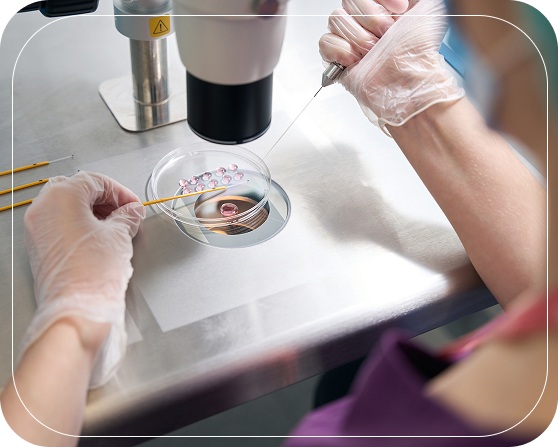
For couples undergoing IVF, embryo development is an important part of the treatment journey. After fertilization, embryos continue to develop in the laboratory before a suitable embryo is selected for transfer. Blastocyst Transfer involves transferring an embryo that has developed to the blastocyst stage, usually around five to six days after fertilization.
Allowing embryos to develop for a few additional days can give the embryology team more information about their development before transfer. However, not every embryo reaches the blastocyst stage, and blastocyst transfer is not automatically the right choice for every patient. Your fertility specialist can recommend the approach based on your age, fertility history, embryo development and overall treatment plan.
At Eeshan IVF Centre, fertility treatment begins with understanding the reason behind difficulty in conception. Age, ovarian reserve, sperm health, previous fertility treatments and other medical factors can influence the treatment approach. A fertility specialist can assess these factors and guide you toward the most appropriate option for your situation.
What Is IVF Treatment?
In vitro fertilization, commonly known as IVF, is an assisted reproductive treatment in which fertilization takes place outside the body in a laboratory. After fertilization, the developing embryo is monitored and a suitable embryo may be transferred to the uterus.
IVF may be considered for different fertility conditions, including blocked fallopian tubes, certain ovulation problems, reduced ovarian reserve, male infertility, endometriosis and unexplained infertility. It may also be recommended when previous fertility treatments have not resulted in pregnancy.
IVF is not a single fixed treatment plan for everyone. The medicines, procedures and timing can vary according to the patient's fertility condition and response to treatment.
Who May Need IVF?
A fertility specialist may consider IVF when natural conception is difficult because of certain reproductive or fertility-related factors.
IVF may be recommended in cases involving:
- Blocked or damaged fallopian tubes
- Ovulation-related fertility problems
- Reduced ovarian reserve
- Endometriosis
- Male factor infertility
- Certain sperm abnormalities
- Unexplained infertility
- Previous unsuccessful fertility treatments
- Age-related fertility concerns
- Certain conditions where other treatments may not be appropriate
Before starting treatment, both partners may need a fertility evaluation. This helps the specialist understand the possible cause of infertility and decide whether IVF or another treatment would be more suitable.
How Does the IVF Process Work?
Understanding each stage can help you prepare for treatment and know what to expect.
Fertility Evaluation
The process generally begins with a consultation and fertility assessment. The doctor reviews your medical history, previous treatments and relevant test results.
Depending on your situation, the specialist may recommend blood tests, ultrasound, ovarian reserve assessment or semen analysis.
Ovarian Stimulation
Fertility medicines may be prescribed to stimulate the ovaries and encourage the development of multiple follicles. The response is monitored during treatment so that the doctor can adjust the approach when needed.
Egg Retrieval
When the follicles reach the appropriate stage, the eggs are collected through a planned procedure. The retrieved eggs are then examined in the fertility laboratory.
Sperm Collection and Fertilization
A sperm sample is collected and prepared for fertilization. The eggs and sperm are then combined in the laboratory. In selected cases, the doctor may recommend ICSI, where a single sperm is injected directly into an egg.
Embryo Development
After fertilization, the embryos are monitored as they develop. The embryology team assesses their development before the next stage of treatment.
Embryo Transfer
A suitable embryo may be transferred into the uterus. Depending on the treatment plan, the transfer may be performed during the same cycle or after the embryo has been frozen for later use.
Pregnancy Testing
After embryo transfer, the fertility team advises you about follow-up care and the appropriate time for a pregnancy test.
The exact IVF process can differ from patient to patient, so your specialist should explain your individual treatment plan before you begin.
What Tests Are Done Before IVF?
A proper evaluation can help identify factors that may affect treatment. The tests recommended depend on your age, medical history and fertility concerns.
Your doctor may suggest:
- Ultrasound examination
- Ovarian reserve assessment
- Hormonal tests
- Semen analysis
- Evaluation of the uterus and reproductive organs
- Other tests based on your medical history
Not every patient needs the same tests. Your fertility specialist decides which evaluations are relevant to your situation.
What Can Affect IVF Success?
Many couples want to know their chances of success before starting treatment. However, IVF outcomes vary between individuals, and no clinic can guarantee a pregnancy.
Factors that may influence the outcome include:
- Age of the woman
- Egg quality and ovarian reserve
- Sperm quality
- Cause and duration of infertility
- Embryo development
- Uterine health
- Previous fertility treatment
- Overall reproductive health
A consultation with an experienced fertility specialist can help you understand which factors may be relevant in your case.
What Is the Cost of IVF Treatment in Neemrana?
The IVF Treatment Cost in Neemrana can vary because every patient may require a different treatment plan. The total expense can depend on consultations, fertility tests, medicines, egg retrieval, laboratory procedures and embryo-related services.
Additional procedures such as ICSI, embryo freezing, embryo storage or frozen embryo transfer may involve separate costs depending on the treatment plan.
Before beginning treatment, ask the fertility clinic what the package includes and which services may have additional charges. Understanding the expected expenses in advance can help you plan your treatment more comfortably.
Why Personalized IVF Care Matters
Two couples may undergo IVF for completely different reasons. One may be dealing with blocked fallopian tubes while another may be facing male infertility or reduced ovarian reserve. Their treatment plans may therefore differ.
Personalized fertility care considers your medical history, fertility test results, age, previous treatment and other relevant factors before deciding on the next step.
At Eeshan IVF Centre, the focus is on understanding individual fertility concerns and providing treatment guidance based on the patient's needs. The fertility team can explain the available options, expected treatment stages and factors that may influence the outcome.
IVF, IUI and ICSI: What Is the Difference?
IVF, IUI and ICSI are different fertility treatment approaches.
IUI
IUI involves placing prepared sperm directly into the uterus around the time of ovulation. It is generally less complex than IVF and may be suitable for selected fertility conditions.
IVF
IVF involves fertilization in a laboratory followed by embryo transfer into the uterus.
ICSI
ICSI is a fertilization technique that can be used as part of IVF. In ICSI, a single sperm is injected directly into an egg and may be considered in certain cases of male infertility or previous fertilization difficulties.
The appropriate treatment depends on the couple's fertility evaluation.
Why Choose Eeshan IVF Centre?
Choosing a fertility clinic is an important decision. Patients should look for appropriate medical expertise, clear communication, suitable laboratory support and a treatment plan based on their individual condition.
At Eeshan IVF Centre, patients receive fertility guidance based on their medical history and treatment needs. The team focuses on explaining the treatment process clearly so that couples can understand their options before making decisions.
Whether you are exploring IVF for the first time or considering another treatment after a previous attempt, a fertility consultation can help you understand the next appropriate step.
Frequently Asked Questions
Is IVF suitable for everyone?
No. IVF is not automatically suitable for every couple. A fertility specialist evaluates the underlying fertility concerns before recommending treatment.
How long does IVF treatment take?
The duration can vary depending on the treatment protocol, response to medicines, embryo development and whether a fresh or frozen embryo transfer is planned.
Is IVF painful?
Some stages of IVF may cause discomfort, while others are performed using appropriate medical support. Your doctor can explain what you may experience during each stage.
Can IVF help with male infertility?
Yes, IVF may be considered in certain cases of male infertility. ICSI may also be recommended when sperm-related factors affect fertilization.
Can IVF guarantee pregnancy?
No fertility treatment can guarantee pregnancy. Success depends on several individual factors, including age, egg and sperm quality, embryo development and the cause of infertility.
When should I consult a fertility specialist?
If you have been trying to conceive without success or have a known fertility concern, consulting a fertility specialist can help identify possible causes and appropriate treatment options.
Take the Next Step Towards Fertility Care
Starting fertility treatment is a significant decision. Understanding your condition, available treatment options, expected costs and the factors that may affect success can help you make a more informed choice.