
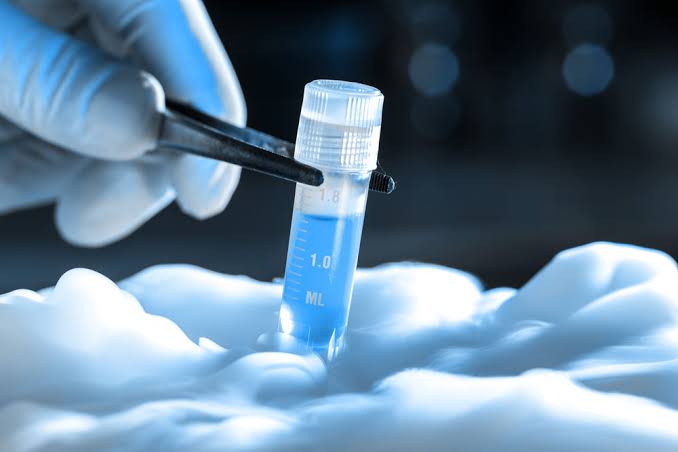
Sperm Freezing in Bawal: Fertility Preservation for Future Family Planning
Fertility can change with age, medical conditions and certain treatments. For men who want to preserve their fertility for future use, Sperm Freezing can provide a way to store sperm for later fertility treatment. The process involves collecting a semen sample, carefully preparing it and preserving suitable sperm at very low temperatures in a specialized fertility laboratory.
Sperm freezing may be considered before certain medical treatments, when sperm quality may be affected, or when a person wants to preserve fertility for future family planning. The right time to consider fertility preservation depends on individual circumstances, so discussing your plans with a fertility specialist can help you understand whether sperm cryopreservation is appropriate.
What Is Sperm Freezing?
Sperm freezing, also called sperm cryopreservation, is a fertility preservation method in which sperm are collected and stored at extremely low temperatures for future use.
The sample is processed in the laboratory before freezing. Suitable sperm are preserved under controlled conditions so they can potentially be used later for fertility treatment such as IUI, IVF or ICSI, depending on the sperm sample and the treatment plan.
Freezing sperm does not mean that pregnancy is guaranteed in the future. The success of treatment depends on several factors, including the quality of the stored sample, the fertility of both partners and the type of treatment used.
Who May Consider Sperm Freezing?
Sperm freezing may be useful for men who want to preserve their fertility before circumstances that could affect sperm production or fertility.
It may be considered in situations such as:
- Before chemotherapy or radiation treatment
- Before certain surgeries that may affect fertility
- Before treatments that could potentially affect sperm production
- When sperm quality may decline due to a medical condition
- Before certain fertility-related procedures
- When a person wants to preserve sperm for future fertility treatment
- When regular sperm collection may be difficult during future treatment
- Before procedures where sperm may need to be available for assisted reproduction
Your doctor can help determine whether fertility preservation is appropriate based on your medical history and future family-planning goals.
How Does Sperm Freezing Work?
The process is carefully planned to protect the sperm during storage.
Fertility Consultation
The process generally begins with a consultation. Your doctor discusses your medical history, fertility concerns and reason for considering sperm preservation.
A semen analysis may also be recommended to understand sperm count, movement and other characteristics.
Sperm Collection
A semen sample is collected according to the instructions provided by the fertility centre. Depending on the situation, more than one sample may be recommended to create an adequate reserve.
If sperm cannot be collected through ejaculation, certain sperm retrieval procedures may be considered in selected cases.
Laboratory Assessment
The sample is examined by the laboratory team. Important characteristics such as sperm count and motility are assessed before preservation.
This information also helps the fertility team understand how much usable sperm is available for future treatment.
Cryopreservation
The sperm sample is prepared using appropriate cryopreservation methods and stored at extremely low temperatures in specialized storage systems.
The storage conditions are carefully controlled to maintain the preserved sample for future use.
Future Use
When fertility treatment is required, the stored sample can be thawed and prepared for use. Depending on the sperm quality and fertility treatment plan, the sample may be used for IUI, IVF or ICSI.
Why Consider Sperm Freezing?
Fertility preservation can provide an opportunity to store sperm before a situation that may affect future fertility.
Some potential reasons for considering sperm freezing include:
Preserving fertility before medical treatment: Certain cancer treatments and other medical procedures can affect sperm production. Freezing sperm beforehand may provide an option for future family planning.
Planning for future fertility: Some men may want to preserve sperm while they are younger or before circumstances change.
Having sperm available for assisted reproduction: Stored sperm can be used later when medically appropriate.
Reducing future collection concerns: Having previously preserved samples may be helpful if sperm collection becomes difficult during future treatment.
The decision should be based on your individual circumstances rather than a general recommendation.
Sperm Freezing Before Cancer Treatment
Some cancer treatments can affect sperm production and may have long-term effects on fertility. For men who want to have biological children in the future, fertility preservation may be discussed before treatment begins.
When medically appropriate, sperm can be collected and frozen before chemotherapy, radiation or certain procedures.
If you have recently been diagnosed with cancer and are concerned about future fertility, speak with your healthcare team as early as possible. Fertility preservation may need to be planned before treatment starts.
How Long Can Frozen Sperm Be Stored?
Sperm can be preserved for long-term storage under appropriate cryogenic conditions. The exact storage period and applicable requirements can depend on the fertility centre's policies and relevant regulations.
Patients should ask the centre about:
- Storage duration
- Renewal requirements
- Storage charges
- Consent procedures
- Future use of the sample
- What happens if storage is no longer required
Clear documentation and communication are important when storing reproductive material for future use.
Does Freezing Damage Sperm?
The freezing and thawing process can affect some sperm cells. However, modern cryopreservation techniques are designed to preserve suitable sperm for future fertility treatment.
The quality and number of sperm available before freezing also matter. Your fertility team can explain the condition of your sample and whether additional samples may be useful.
Can Frozen Sperm Be Used for IVF or ICSI?
Yes. Depending on the sample and the fertility treatment plan, frozen sperm can be thawed and used for assisted reproductive procedures.
For some couples, the sample may be used during IUI. If more significant sperm-related fertility problems are present, IVF with ICSI may be considered.
The choice depends on the fertility evaluation of both partners and the quality of the available sperm.
What Is the Cost of Sperm Freezing in Bawal?
The Sperm Freezing Cost in Bawal can vary depending on the services required and the duration of storage.
The overall expense may include:
- Initial consultation
- Semen analysis
- Sample collection
- Laboratory processing
- Cryopreservation
- Storage charges
- Future sample preparation or thawing
- Additional fertility procedures when required
Before storing sperm, ask the fertility centre for a clear explanation of the initial and ongoing costs. Storage charges may be separate from the initial freezing procedure.
How Many Samples Should Be Frozen?
The number of samples needed can vary according to the reason for preservation and the patient's fertility plans.
Some patients may be advised to provide more than one sample to create a larger stored reserve. Factors such as sperm count, motility and the type of future fertility treatment can influence the recommendation.
Your fertility specialist can explain how many samples may be useful in your situation.
Sperm Freezing and Male Fertility Preservation
Male Fertility Preservation in Bawal can be an important consideration when a medical condition or treatment may affect future reproductive potential.
Fertility preservation is not limited to people who currently have fertility problems. It can also be considered when there is a foreseeable risk to future fertility.
The earlier you discuss fertility preservation when facing a fertility-affecting medical treatment, the more options your healthcare team may be able to consider.
Why Choose Eeshan IVF Centre for Sperm Freezing?
Choosing a fertility centre for sperm preservation requires attention to laboratory procedures, storage facilities, documentation and future access to the preserved sample.
At Eeshan IVF Centre, patients can discuss their fertility preservation needs with the medical team and understand the process before providing a sample. The team can guide patients through evaluation, sample collection, cryopreservation and future use based on their individual circumstances.
Whether you are considering fertility preservation before medical treatment or planning for future family building, a consultation can help you understand your options.
Frequently Asked Questions About Sperm Freezing
Is sperm freezing suitable for everyone?
Sperm freezing may be suitable for many men, but the decision depends on individual circumstances, sperm quality and the reason for preservation.
Can frozen sperm be used after several years?
Stored sperm can potentially be used after long-term cryogenic storage, subject to the storage conditions, applicable requirements and the fertility centre's policies.
Can sperm freezing guarantee future pregnancy?
No. Freezing preserves sperm for potential future use but does not guarantee fertilization or pregnancy.
Can I freeze sperm before chemotherapy?
Yes, fertility preservation may be discussed before certain cancer treatments because these treatments can affect sperm production. Ideally, discuss preservation with your medical and fertility teams before treatment begins.
Can frozen sperm be used for ICSI?
Yes. Thawed sperm may be used for ICSI when it is considered appropriate as part of an IVF treatment plan.
Do I need more than one sperm sample?
Not necessarily. However, your doctor may recommend multiple samples depending on your sperm quality and future treatment requirements.
Preserve Your Fertility for the Future
Sperm freezing can give men an option to preserve reproductive material before certain medical treatments or future circumstances that may affect fertility. Understanding the process, storage requirements and potential future use can help you make an informed decision.