
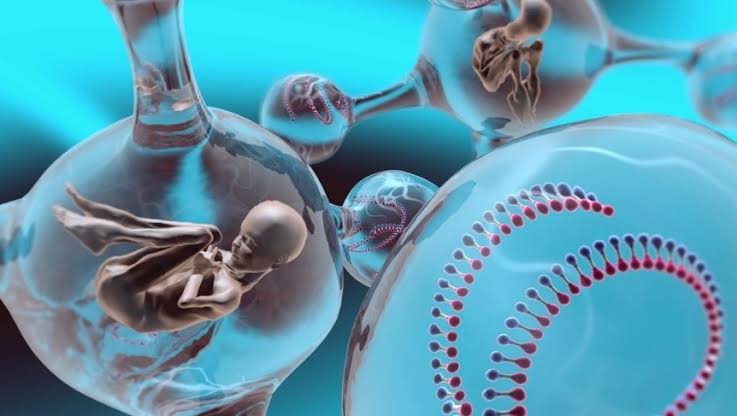
ICSI Treatment in Bawal: Advanced Fertility Care for Male Infertility
When a couple has difficulty conceiving due to sperm-related problems, fertilization can sometimes be challenging even when healthy eggs are available. ICSI Treatment is an assisted reproductive technique that can help overcome certain fertilization difficulties by directly injecting a single sperm into a mature egg in the laboratory.
ICSI is usually performed as part of an IVF cycle. It may be considered when sperm count, movement or quality affects the ability of sperm to fertilize an egg naturally in the laboratory. The decision depends on the fertility evaluation of both partners, previous treatment history and the underlying cause of infertility.
What Is ICSI Treatment?
ICSI stands for Intracytoplasmic Sperm Injection. It is a specialized fertilization technique used during IVF treatment.
In conventional IVF, eggs and sperm are placed together in a laboratory dish and fertilization is allowed to occur. With ICSI, an embryologist selects a suitable sperm and injects it directly into a mature egg using specialized laboratory equipment.
After fertilization, the resulting embryo is monitored as it develops. A suitable embryo may then be transferred into the uterus as part of the IVF treatment plan.
ICSI does not guarantee pregnancy. Its purpose is to help overcome certain fertilization-related difficulties when it is considered medically appropriate.
Who May Need ICSI?
ICSI may be recommended for selected couples, particularly when male fertility factors may make fertilization difficult.
A fertility specialist may consider ICSI in situations such as:
- Very low sperm count
- Poor sperm movement
- Certain sperm quality problems
- Difficulty obtaining sperm through ejaculation
- Previous IVF cycle with poor or failed fertilization
- Use of surgically retrieved sperm
- Certain cases of male infertility
- Some situations involving frozen sperm
- Other circumstances where conventional fertilization may have a lower chance of success
Not every couple undergoing IVF needs ICSI. A fertility specialist and embryology team can assess the available sperm and the overall fertility history before recommending the technique.
How Does ICSI Work?
The ICSI process involves several stages. Because ICSI is generally performed as part of IVF, the treatment starts with the preparation of eggs and sperm.
Fertility Assessment
Before treatment, the specialist evaluates both partners. This may include reviewing medical history, previous fertility treatment and relevant test results.
For the male partner, a semen analysis may help assess sperm count, movement and other characteristics. Additional evaluation may be recommended when required.
Ovarian Stimulation
The female partner may receive fertility medicines to encourage the development of multiple follicles. The response is monitored by the fertility team during the treatment cycle.
Egg Retrieval
Once the follicles reach the appropriate stage, mature eggs are collected through a planned procedure. The laboratory team then examines the retrieved eggs to determine which are suitable for fertilization.
Sperm Preparation
A sperm sample is collected and prepared in the laboratory. When sperm cannot be obtained through ejaculation, sperm retrieval procedures may sometimes be considered.
The embryologist selects a suitable sperm for injection.
Sperm Injection
This is the main difference between conventional IVF and ICSI. A single selected sperm is injected directly into a mature egg using a specialized micromanipulation technique.
The eggs are then monitored to determine whether fertilization has occurred.
Embryo Development
After fertilization, embryos are monitored in the laboratory. Their development is assessed over the following days as part of the IVF process.
Embryo Transfer
Depending on the treatment plan, a suitable embryo may be transferred into the uterus. Other suitable embryos may be frozen for potential future treatment when appropriate.
ICSI for Male Infertility
Male infertility can result from several factors, including low sperm count, reduced sperm movement and certain problems affecting sperm production or delivery.
In some cases, sperm may be present but have difficulty fertilizing an egg naturally. ICSI can help bypass one of the key steps involved in fertilization by placing a selected sperm directly inside the egg.
For this reason, ICSI for Male Infertility in Bawal may be considered in selected cases after a proper fertility evaluation.
However, ICSI is not a treatment for every male infertility condition. The underlying cause should be evaluated before deciding on the most appropriate fertility treatment.
ICSI for Azoospermia
Azoospermia means that sperm are not found in the semen sample. Depending on the cause, sperm may sometimes be retrieved directly from the reproductive tract using an appropriate sperm retrieval procedure.
When usable sperm are obtained, ICSI may be considered as part of an IVF treatment plan.
The treatment approach depends on why azoospermia has occurred and whether viable sperm can be retrieved. A specialist evaluation is therefore important before deciding on treatment.
ICSI vs IVF: What Is the Difference?
ICSI is not completely separate from IVF. Instead, it is a fertilization technique that can be used during an IVF cycle.
With conventional IVF, eggs and sperm are placed together in the laboratory and fertilization occurs without directly injecting the sperm into the egg.
With ICSI, an embryologist directly injects one selected sperm into a mature egg.
Both approaches can be followed by embryo development and embryo transfer. The choice between conventional IVF and ICSI depends on factors such as sperm quality, previous fertilization results and the overall fertility condition.
What Tests May Be Required Before ICSI?
Your fertility specialist may recommend different tests depending on your medical history.
These may include:
- Semen analysis
- Hormonal evaluation
- Ultrasound
- Ovarian reserve assessment
- Evaluation of reproductive health
- Additional male fertility tests when required
- Other investigations based on previous fertility history
The purpose of these tests is to understand the factors affecting fertility and plan treatment appropriately.
What Can Affect ICSI Success?
Many patients want to know whether ICSI guarantees successful fertilization or pregnancy. It does not. Fertilization and pregnancy outcomes can vary between individuals.
Factors that may influence treatment outcomes include:
- Age
- Egg quality
- Ovarian reserve
- Sperm quality
- Number and maturity of available eggs
- Embryo development
- Underlying cause of infertility
- Uterine health
- Previous fertility treatment
ICSI may improve the chance of fertilization in selected cases of male factor infertility or previous fertilization problems, but it cannot eliminate all factors that affect pregnancy.
Your specialist can explain the factors that may be relevant to your individual situation.
What Is the Cost of ICSI Treatment in Bawal?
The ICSI Treatment Cost in Bawal can vary depending on the treatment plan and the procedures required.
The overall expense may include:
- Fertility consultations
- Diagnostic tests
- Fertility medicines
- Ovarian stimulation
- Egg retrieval
- Laboratory procedures
- ICSI procedure
- Embryo culture
- Embryo transfer
- Embryo freezing or storage when required
- Additional procedures if recommended
Before starting treatment, ask the clinic for a clear explanation of what the estimated cost includes. Additional procedures may have separate charges depending on the patient's needs.
Is ICSI Better Than Conventional IVF?
ICSI is not automatically better for every patient.
For couples with normal sperm parameters and no previous fertilization problem, conventional IVF may be considered. ICSI may be more relevant when sperm-related factors or previous fertilization difficulties make it appropriate.
The decision should be based on the patient's fertility evaluation rather than choosing a procedure simply because it is described as more advanced.
Why Personalized ICSI Treatment Matters
Fertility problems can have different causes, so the same treatment approach may not work for every couple.
A personalized treatment plan considers factors such as the woman's age and ovarian reserve, the man's sperm health, previous fertility treatments and other relevant medical findings.
At Eeshan IVF Centre, the fertility team focuses on understanding the individual fertility concerns of each couple before recommending a treatment approach. Patients can discuss their diagnosis, available options and the different stages involved in treatment with the fertility team.
Why Choose Eeshan IVF Centre for ICSI?
Choosing a fertility centre involves more than looking at treatment names. Patients should consider the experience of the fertility team, laboratory support, treatment planning and the quality of communication throughout the process.
Eeshan IVF Centre provides fertility care for couples dealing with different reproductive concerns. The team evaluates each patient's situation and explains appropriate treatment options based on the fertility assessment.
For couples dealing with male infertility or previous fertilization difficulties, a consultation can help determine whether ICSI may be appropriate.
Frequently Asked Questions About ICSI
Is ICSI only used for male infertility?
No. ICSI is commonly considered for male factor infertility, but it may also be recommended in other situations, such as previous poor or failed fertilization during IVF.
Does ICSI guarantee pregnancy?
No. ICSI can help with the fertilization stage in selected cases, but pregnancy depends on several other factors, including egg quality, embryo development, age and uterine health.
Is ICSI painful?
The sperm injection itself is a laboratory procedure and is not performed inside the patient's body. The overall treatment involves stages of IVF, such as egg retrieval and embryo transfer, which your doctor can explain before treatment.
How long does ICSI treatment take?
The duration varies according to the IVF protocol, ovarian response, embryo development and whether a fresh or frozen embryo transfer is planned.
Can ICSI be used when sperm count is very low?
ICSI may be considered in selected cases of very low sperm count. If sperm cannot be obtained through ejaculation, a specialist may discuss appropriate sperm retrieval options.
What happens after ICSI fertilization?
The fertilized eggs are monitored as embryos develop in the laboratory. A suitable embryo may then be transferred into the uterus according to the treatment plan.
Take the Next Step Towards Fertility Care
Male infertility and fertilization difficulties can be stressful, but understanding the available treatment options can make the next step clearer. ICSI can provide a useful fertilization option for selected couples when sperm-related factors or previous fertilization problems make conventional IVF less suitable.