
Laparoscopy in Mahendragarh: Minimally Invasive Treatment for Fertility and Women's Health
When a woman has ongoing pelvic pain, endometriosis, unexplained infertility or certain reproductive health concerns, a routine examination may not always provide enough information. Laparoscopy is a minimally invasive procedure that allows a doctor to examine the organs inside the abdomen and pelvis through a small incision.
In fertility care, laparoscopy may help identify conditions affecting the reproductive organs and, in selected cases, allow treatment during the same procedure. Whether it is needed depends on your symptoms, medical history, fertility evaluation and findings from other tests.
What Is Laparoscopy?
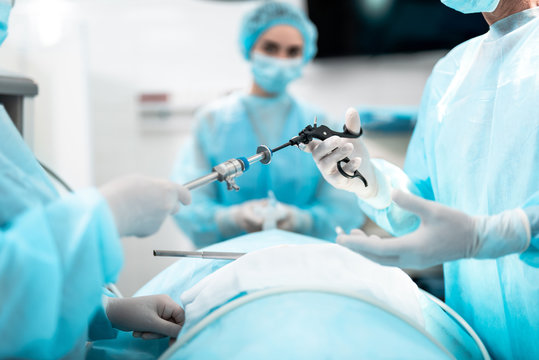
Laparoscopy is a minimally invasive surgical procedure used to examine and treat conditions affecting the abdomen and pelvis. Instead of making a large surgical incision, the doctor uses a thin instrument with a camera called a laparoscope.
The camera provides a clear view of structures such as the uterus, fallopian tubes and ovaries. Depending on the condition being evaluated, additional small instruments can be used to perform certain treatments.
In fertility care, laparoscopy may be considered when the doctor needs to investigate a condition that cannot be fully assessed through routine fertility tests or when surgery may be appropriate.
When Is Laparoscopy Recommended?
A fertility specialist or gynecologist may recommend laparoscopy when there is a specific medical reason to examine or treat the pelvic organs.
It may be considered for:
- Endometriosis
- Pelvic pain
- Certain ovarian conditions
- Pelvic adhesions or scar tissue
- Certain fallopian tube problems
- Suspected pelvic abnormalities
- Some cases of unexplained infertility
- Certain conditions affecting the reproductive organs
Laparoscopy is not required for every woman experiencing infertility. Your doctor will consider your symptoms, previous test results and overall fertility history before recommending the procedure.
How Does Laparoscopy Work?
The exact procedure depends on why laparoscopy is being performed. Generally, it involves the following steps.
Initial Consultation
Your doctor reviews your symptoms, medical history, previous surgeries, fertility history and relevant test reports. Other investigations may be recommended before deciding whether laparoscopy is appropriate.
Preparation for the Procedure
Your medical team provides instructions about medicines, food, fasting and other preparations before surgery. The procedure is usually performed under appropriate anaesthesia.
Small Incision
A small incision is generally made near the abdomen, often around the navel. The laparoscope is inserted through this opening.
Examination
The camera allows the doctor to view the pelvic and abdominal organs. The specialist can look for conditions such as endometriosis, adhesions or other abnormalities.
Treatment When Required
If a treatable condition is identified and the planned procedure allows it, the doctor may use additional instruments through small incisions to perform the required treatment.
Recovery and Follow-Up
After the procedure, you receive instructions about recovery, medicines, activity and follow-up appointments. Recovery time varies depending on the type and extent of surgery performed.
Laparoscopy for Infertility
Some fertility problems involve conditions that may not always be identified through basic fertility testing. Laparoscopy can provide a direct view of the reproductive organs and surrounding pelvic structures.
It may help doctors investigate conditions such as endometriosis, adhesions or certain abnormalities involving the fallopian tubes and ovaries.
However, laparoscopy should not be treated as a routine fertility test for every patient. A specialist may recommend it when the expected information or treatment benefit is relevant to the patient's individual situation.
Laparoscopy for Endometriosis
Endometriosis occurs when tissue similar to the lining of the uterus grows outside the uterus. It can be associated with pelvic pain, painful periods and fertility difficulties.
Laparoscopy can help identify endometriosis and, when appropriate, allow the surgeon to treat certain endometriosis lesions during the procedure.
The treatment approach depends on the location and extent of the condition as well as the patient's symptoms and fertility goals.
Laparoscopy for Fallopian Tube Problems
Fallopian tubes play an important role in natural conception because they provide a pathway for the egg and sperm to meet.
Certain conditions can affect the fallopian tubes, including blockage, scarring or damage. In selected cases, laparoscopy may allow the doctor to examine the tubes and surrounding pelvic structures more closely.
Depending on the findings, your doctor can discuss whether surgical treatment or assisted fertility treatment may be more appropriate.
Diagnostic vs Operative Laparoscopy
Laparoscopy can be performed for diagnostic or treatment purposes.
Diagnostic laparoscopy is mainly used to examine the pelvic and abdominal organs and identify possible abnormalities.
Operative laparoscopy involves treating a condition during the procedure when this is medically appropriate. For example, certain adhesions or endometriosis lesions may be treated using specialized instruments.
The type of laparoscopy recommended depends on the suspected condition and your treatment plan.
What Are the Benefits of Laparoscopy?
When laparoscopy is medically appropriate, it can provide several benefits compared with conventional open surgery.
These may include:
- Smaller surgical incisions
- Direct visualization of the pelvic organs
- Evaluation of certain fertility-related conditions
- Ability to treat some conditions during the same procedure
- Potentially less tissue disruption than open surgery
- Recovery that may be quicker than with some forms of open surgery
The expected benefits and risks depend on the individual procedure and your overall health.
Is Laparoscopy Safe?
Laparoscopy is widely used as a minimally invasive surgical approach, but like any medical procedure, it can have risks.
Possible risks can depend on the type of surgery and may include bleeding, infection, anaesthesia-related complications or injury to nearby organs.
Your doctor should explain the potential benefits, risks and alternatives before you consent to the procedure. Do not hesitate to ask questions if you are unsure about any part of the treatment.
What Is the Recovery After Laparoscopy?
Recovery depends on whether the procedure was diagnostic or involved additional surgery.
You may experience temporary abdominal discomfort, tiredness or bloating after the procedure. Your doctor will provide instructions regarding medicines, physical activity, wound care and follow-up.
Some patients can return to normal activities relatively quickly, while more extensive operative procedures may require additional recovery time.
Follow your doctor's instructions rather than comparing your recovery with someone else's experience.
What Is the Cost of Laparoscopy in Mahendragarh?
The Laparoscopy Treatment Cost in Mahendragarh can vary depending on the reason for the procedure and the type of surgery required.
The overall expense may depend on:
- Consultation and evaluation
- Diagnostic tests
- Type of laparoscopy
- Anaesthesia
- Hospital or procedure-related charges
- Surgical treatment performed during laparoscopy
- Medicines
- Follow-up care
A diagnostic procedure may have different costs from operative laparoscopy. Before treatment, ask your clinic for a clear estimate based on your individual procedure.
Laparoscopy and IVF: Are They Connected?
Laparoscopy and IVF are different treatments and serve different purposes.
Laparoscopy is a surgical procedure used to investigate or treat certain conditions affecting the pelvis and reproductive organs. IVF is an assisted reproductive treatment in which eggs and sperm are used to create embryos in a laboratory.
In some patients, laparoscopy may be recommended as part of fertility evaluation or treatment before considering IVF. However, it is not necessary for every IVF patient.
Your fertility specialist can determine whether laparoscopy has a role in your treatment based on your medical history and fertility findings.
Why Personalized Laparoscopy Care Matters
The need for laparoscopy depends on the patient's symptoms, fertility goals and suspected medical condition. A procedure that may be useful for one patient may not be necessary for another.
At Eeshan IVF Centre, the fertility team reviews the patient's medical history and relevant investigations before recommending treatment. The aim is to help patients understand why a procedure may be required, what it involves and what alternatives may be available.
Clear communication is especially important when discussing surgery, so patients can make informed decisions about their care.
Why Choose Eeshan IVF Centre for Laparoscopy?
Choosing a fertility and women's healthcare centre involves considering medical expertise, appropriate facilities, clear treatment planning and follow-up support.
At Eeshan IVF Centre, patients can discuss fertility and women's health concerns with the medical team and understand the available treatment options. When laparoscopy is considered, the focus is on evaluating the patient's condition and recommending the procedure only when it is clinically appropriate.
If you have been advised to undergo laparoscopy or have fertility concerns that require further evaluation, a consultation can help you understand the next step.
Frequently Asked Questions About Laparoscopy
Is laparoscopy used for infertility?
It may be used in selected cases of infertility when conditions such as endometriosis, adhesions or certain pelvic abnormalities are suspected.
Can laparoscopy treat endometriosis?
In selected cases, laparoscopic surgery can be used to identify and treat certain endometriosis lesions. The appropriate approach depends on the extent and location of the disease.
Is laparoscopy a major surgery?
Laparoscopy is a minimally invasive surgical approach, but the complexity can vary depending on what needs to be diagnosed or treated.
How long does recovery take after laparoscopy?
Recovery varies according to the type and extent of the procedure. Your doctor will give you personalized instructions based on the surgery performed.
Is laparoscopy necessary before IVF?
Not necessarily. Some patients may benefit from laparoscopy before fertility treatment, while others may not need it. The decision depends on individual medical findings.
What is the difference between laparoscopy and hysteroscopy?
Laparoscopy is used to examine structures in the abdomen and pelvis from outside the uterus. Hysteroscopy examines the inside of the uterus using a thin camera passed through the vagina and cervix. The two procedures evaluate different areas.
Take the Next Step Towards Better Fertility Care
Laparoscopy can provide valuable information about certain conditions affecting the reproductive organs and may allow treatment during the same procedure when appropriate. However, it is not necessary for every patient with infertility or pelvic symptoms.