
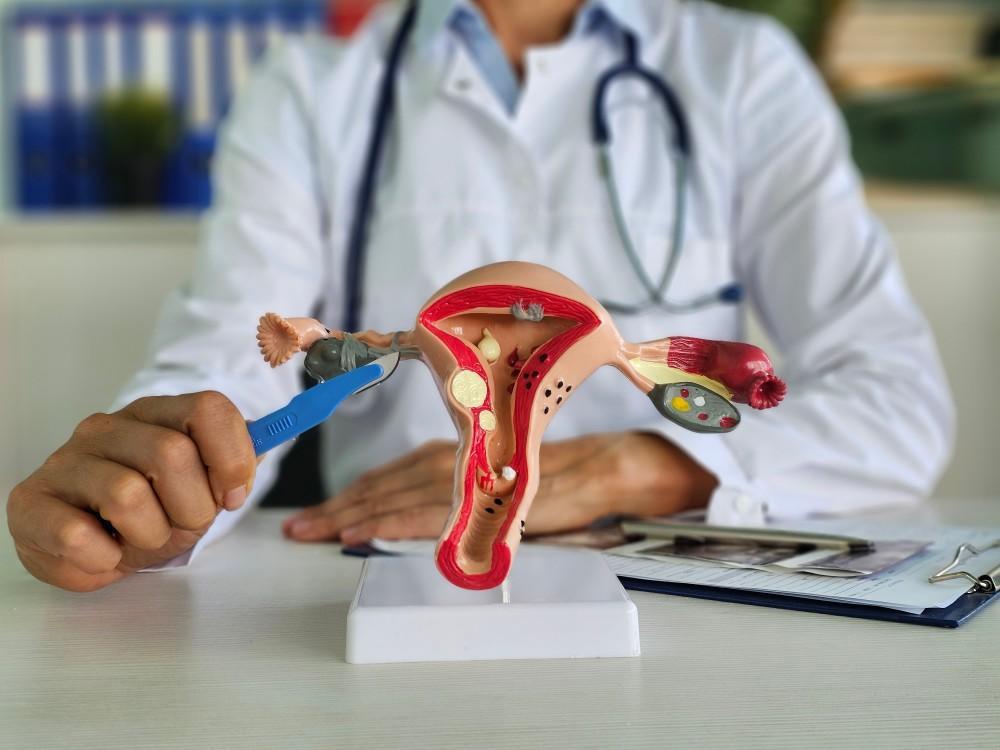
Hysteroscopy in Jhajjar: A Detailed Look at Uterine Health and Fertility
Problems inside the uterus can sometimes affect menstrual health, implantation or the ability to conceive. Conditions such as uterine polyps, fibroids, scar tissue and certain abnormalities may not always be identified through a routine examination. Hysteroscopy allows a fertility specialist to examine the inside of the uterus using a thin camera and, when required, treat certain problems during the same procedure.
At Eeshan IVF Centre, hysteroscopy may be considered when a patient's symptoms, fertility history or test results suggest that the uterus needs a closer evaluation. The procedure can help doctors identify certain abnormalities and decide whether treatment is needed before fertility treatment or pregnancy.
What Is Hysteroscopy?
Hysteroscopy is a minimally invasive procedure used to examine the inside of the uterus. A thin instrument called a hysteroscope is passed through the vagina and cervix into the uterus. The hysteroscope has a camera that allows the doctor to view the uterine cavity.
Depending on the reason for the procedure, hysteroscopy can be diagnostic or operative.
Diagnostic hysteroscopy is performed to look for abnormalities inside the uterus. Operative hysteroscopy may be used to treat certain conditions identified during the examination, such as some polyps or adhesions.
Because the procedure provides a direct view of the uterine cavity, it can give the specialist information that may not be available through other fertility investigations.
Why Is Hysteroscopy Recommended?
A fertility specialist may recommend hysteroscopy when there is a reason to investigate the uterine cavity more closely.
It may be considered for:
- Uterine polyps
- Certain fibroids that affect the uterine cavity
- Scar tissue or adhesions
- Abnormal uterine bleeding
- Repeated miscarriage
- Certain abnormalities of the uterine cavity
- Repeated implantation failure
- Fertility evaluation in selected cases
- Evaluation of an abnormal finding from another test
Hysteroscopy is not required for every woman experiencing infertility. Your doctor decides whether it is appropriate based on your symptoms, medical history and previous test results.
How Does Hysteroscopy Work?
The procedure generally involves several steps.
Initial Consultation
Your doctor first reviews your symptoms, menstrual history, fertility history and previous investigations. The specialist may recommend additional tests before deciding whether hysteroscopy is needed.
Preparation
The timing and preparation depend on the purpose of the procedure and your individual circumstances. Your doctor will explain any instructions regarding medicines, food, examinations or other preparations before the procedure.
Inserting the Hysteroscope
A thin hysteroscope is gently passed through the vagina and cervix into the uterus. A suitable fluid may be used to help the doctor view the uterine cavity clearly.
Examination of the Uterus
The doctor examines the uterine cavity using the camera. This allows the specialist to look for abnormalities such as polyps, adhesions or certain fibroids.
Treatment When Required
If an abnormality needs treatment and the procedure is planned for that purpose, operative hysteroscopy may allow the doctor to treat certain problems during the procedure.
Recovery and Follow-Up
After the procedure, your doctor provides instructions about recovery and follow-up. Your recovery time can depend on the type of hysteroscopy and whether any treatment was performed.
Diagnostic Hysteroscopy vs Operative Hysteroscopy
The two main types of hysteroscopy have different purposes.
Diagnostic hysteroscopy focuses on examining the inside of the uterus. It may be recommended when the doctor needs a clearer view of the uterine cavity.
Operative hysteroscopy is used when treatment is also required. Certain abnormalities, such as some polyps or adhesions, may be treated using specialized instruments through the hysteroscope.
Your fertility specialist can explain which type may be suitable based on your condition.
Hysteroscopy for Fertility Problems
The condition of the uterine cavity can be relevant when evaluating fertility. Certain abnormalities may interfere with implantation or contribute to reproductive problems.
For example, uterine polyps, adhesions or some cavity-distorting fibroids may need to be evaluated when a patient has unexplained fertility concerns or repeated treatment difficulties.
However, hysteroscopy is not a fertility treatment by itself. Its role is to identify and, where appropriate, treat certain problems inside the uterus.
If an abnormality is found, your doctor can explain whether treating it may be beneficial before attempting pregnancy or assisted reproductive treatment.
Hysteroscopy for Uterine Polyps
Uterine polyps are growths that develop from the lining of the uterus. Some polyps may cause abnormal bleeding, while others may be found during fertility investigations.
Hysteroscopy allows the doctor to directly view the uterine cavity and may be used to remove certain polyps when treatment is appropriate.
Whether a polyp needs treatment depends on factors such as its size, location, symptoms and the patient's fertility situation.
Hysteroscopy for Uterine Adhesions
Uterine adhesions are areas of scar tissue that can cause parts of the uterine walls to stick together. They may develop after certain procedures, infections or other conditions.
When adhesions are suspected, hysteroscopy can help the specialist examine the uterine cavity. In selected cases, operative hysteroscopy may be used to remove the scar tissue.
The appropriate treatment depends on the extent and cause of the adhesions.
Hysteroscopy and IVF Treatment
Some patients undergoing fertility treatment may require evaluation of the uterine cavity before IVF. This is particularly relevant when previous investigations suggest a possible uterine abnormality or when there is a specific clinical reason to examine the cavity.
Hysteroscopy may help identify conditions that could require treatment before embryo transfer.
However, it should not be assumed that every IVF patient needs hysteroscopy. The decision should be based on the patient's medical history and the recommendation of the fertility specialist.
Is Hysteroscopy Painful?
The level of discomfort can vary depending on the type of procedure and the individual patient. Some patients may experience cramping or discomfort during or after the procedure.
The type of anaesthesia or pain management used depends on the procedure and clinical circumstances. Your doctor will explain what to expect before the procedure.
If you have concerns about pain or recovery, discuss them with your specialist during the consultation.
What Is the Cost of Hysteroscopy in Jhajjar?
The Hysteroscopy Treatment Cost in Jhajjar can vary depending on the type of procedure and whether additional treatment is required.
The total cost may depend on factors such as:
- Consultation and evaluation
- Diagnostic tests
- Type of hysteroscopy
- Anaesthesia or medication
- Operative treatment when required
- Laboratory or pathology services when required
- Follow-up consultations
A diagnostic procedure may have different costs from operative hysteroscopy. It is best to ask the clinic for a clear estimate based on your specific treatment plan.
What Are the Benefits of Hysteroscopy?
Hysteroscopy can offer several advantages when a direct examination of the uterine cavity is clinically appropriate.
These may include:
- Direct visualization of the uterine cavity
- Identification of certain abnormalities
- Evaluation of unexplained uterine symptoms
- Assessment of selected fertility-related concerns
- Treatment of certain abnormalities during operative hysteroscopy
- Minimally invasive access compared with open surgical procedures
The benefits depend on the patient's condition and the reason for performing the procedure.
Why Choose Eeshan IVF Centre for Hysteroscopy?
Choosing a fertility centre for uterine evaluation is an important decision. Patients should look for appropriate medical expertise, clear explanations and a treatment plan based on their individual condition.
At Eeshan IVF Centre, the fertility team evaluates each patient's symptoms, fertility history and relevant test results before recommending a procedure. The aim is to help patients understand why hysteroscopy may be needed and what the procedure involves.
If you have been advised to undergo hysteroscopy or have fertility concerns that may require further uterine evaluation, a consultation can help you understand the appropriate next step.
Frequently Asked Questions About Hysteroscopy
Is hysteroscopy used only for infertility?
No. It may also be used to investigate abnormal uterine bleeding, suspected polyps, certain fibroids, adhesions and other abnormalities inside the uterus.
Can hysteroscopy improve fertility?
Hysteroscopy itself is an examination procedure. When it identifies a condition that may affect fertility and that condition can be treated, treatment may be part of the overall fertility plan.
Can polyps be removed during hysteroscopy?
Certain uterine polyps can be removed during operative hysteroscopy. Your doctor will determine whether removal is appropriate.
How long does hysteroscopy take?
The duration depends on whether the procedure is diagnostic or operative and whether any treatment is performed.
Can I return to normal activities after hysteroscopy?
Recovery varies from patient to patient and depends on the type of procedure. Your doctor will provide specific post-procedure instructions.
Is hysteroscopy necessary before IVF?
Not for everyone. Your fertility specialist may recommend it when there is a clinical reason to examine the uterine cavity before fertility treatment.
Take the Next Step Towards Better Fertility Care
Understanding the health of the uterus can be an important part of fertility evaluation. When a uterine abnormality is suspected, hysteroscopy can provide a direct view of the uterine cavity and may allow certain problems to be treated when appropriate.